

GCRD Announces Inaugural Contemplative Policy Retreat on AI Governance and Democratic Leadership
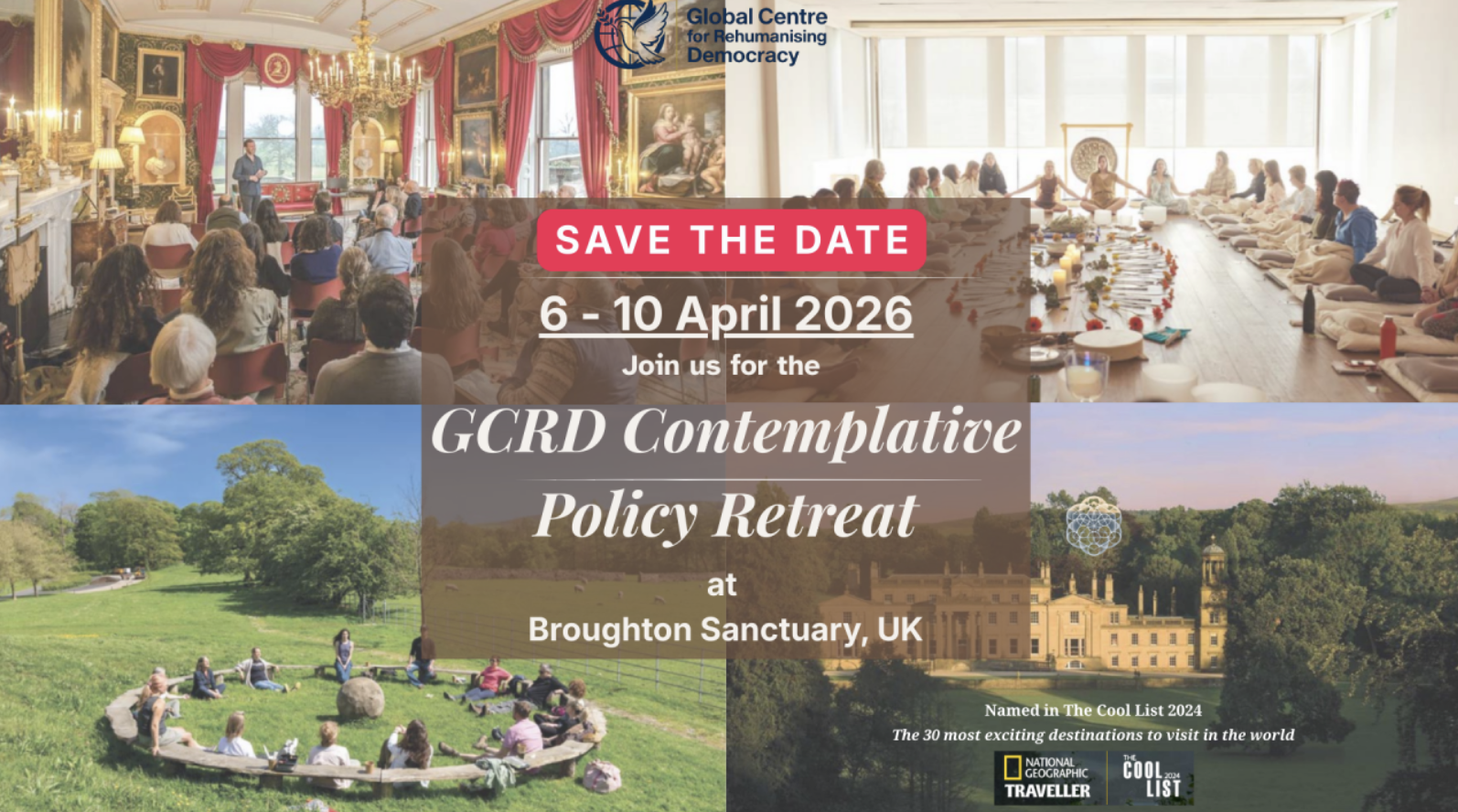

London, UK – January 28, 2026 – The Global Centre for Rehumanising Democracy (GCRD)has announced its first Contemplative Policy Retreat, bringing together senior democratic leaders to address one of the 21st century's most urgent governance challenges: sustaining human presence, moral agency, and contemplative wisdom as artificial intelligence systems increasingly mediate democratic life.
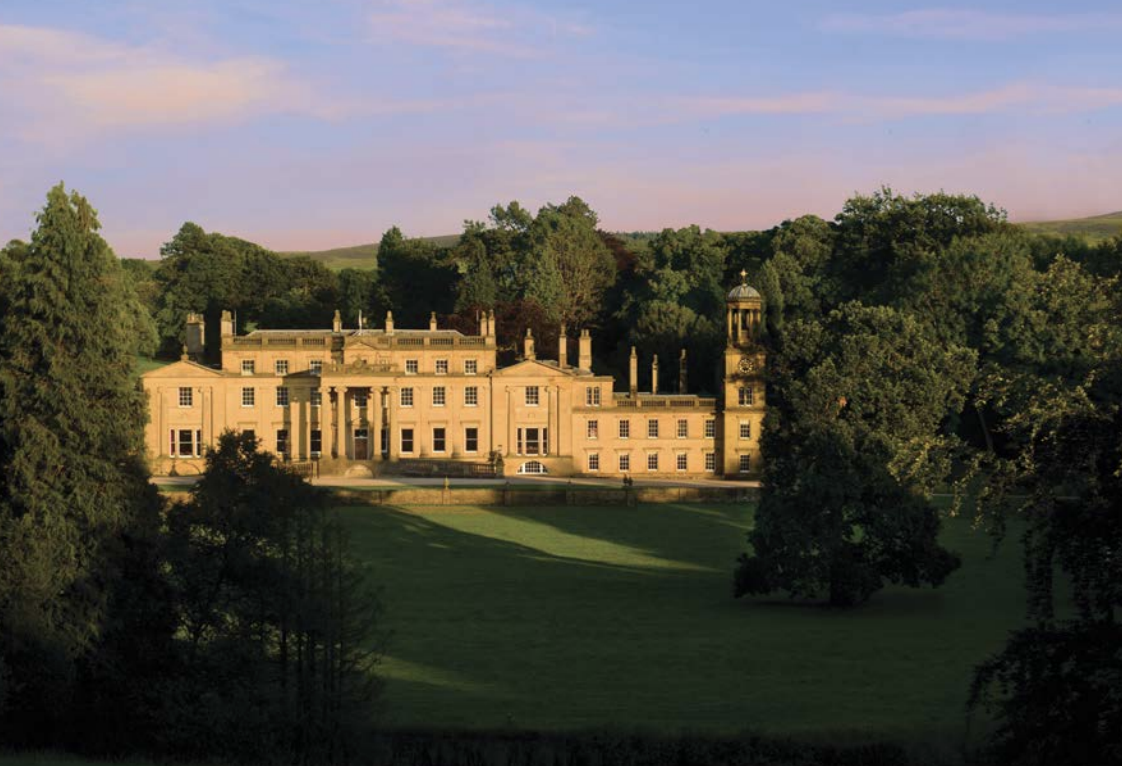
The four-day residential retreat, "Building Trust, Sustaining Presence in the Age of AI & Acceleration," will take place April 6-10, 2026, at Broughton Sanctuary in the Yorkshire Dales—a historic 3,000-acre estate recognised in National Geographic as one of 2024's most exciting global destinations.
Addressing the Crisis of Algorithmic Governance
As AI systems expand their role in critical decision-making—from social welfare eligibility to criminal sentencing, healthcare allocation to national security—democratic leaders face mounting pressure to respond before they can reflect, to decide before they can discern, and to act before they can listen.
"The risk is not simply operational error," said Jacob Udo-Udo Jacob, Founding Executive Director of GCRD. "It is the erosion of the very capacities that make democratic leadership possible: depth, presence, moral clarity, and the courage to ask questions algorithms cannot hold."
The retreat responds to what GCRD identifies as five converging crises in democratic governance: algorithmic systems determining life-altering decisions with limited transparency; digital platforms fragmenting attention and undermining deliberative capacity; global erosion of trust in democratic institutions, leaders, factual media and authoritative sources; diffused accountability obscuring responsibility in human-AI systems; and technical specialists dominating policy conversations while marginalising ethical and contemplative perspectives.
A Formation Experience, Not a Conference
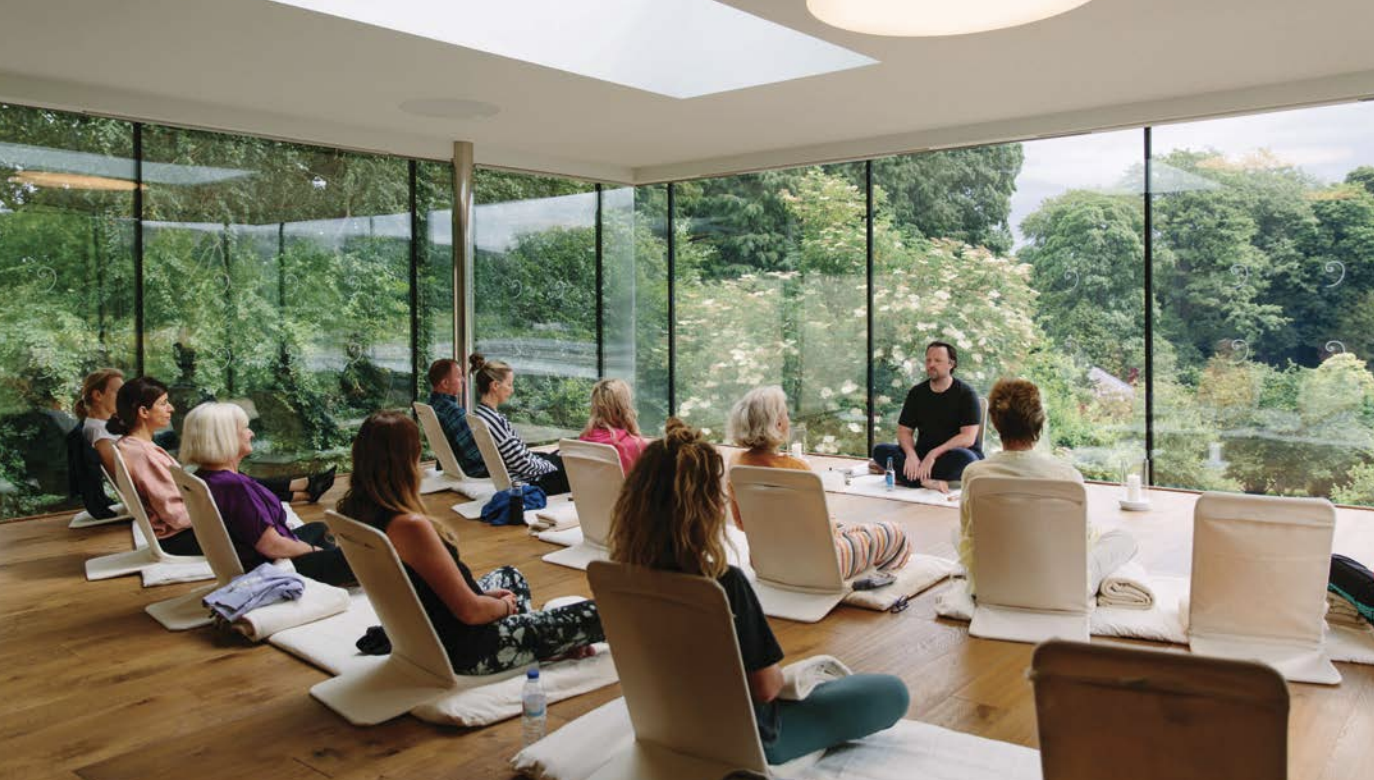
Unlike conventional policy conferences, the retreat employs a rigorous contemplative pedagogy and adapted for policy contexts. The 20-25 carefully selected participants will engage in daily contemplative practices, including moral centering, clearness committees for group discernment, and the institutional examen for organisational moral health.
"This is not a conference on AI policy," Jacob emphasised. "This is protected time to develop practices that anchor human judgment when algorithms accelerate—practices that prevent leaders from becoming extensions of the systems they're meant to govern."
The retreat curriculum integrates teaching sessions on contemplative leadership with the work of contemporary thinkers at the intersection of technology and ethics.
Building a Network for Democratic Renewal
Participants will develop personal "Rules of Life" for sustaining contemplative practice within demanding policy roles, gain ethical discernment frameworks for the human-AI interface, and join peer accountability networks for ongoing formation.
"Before artificial intelligence, there is human intelligence," Jacob noted. "Before human intelligence, there is something deeper: the contemplative ground from which insight, compassion, empathy, and moral clarity arise. If we lose access to our own depths, we lose the capacity to lead wisely—no matter how sophisticated our tools."
The retreat is designed for senior policy officials, parliamentary and congressional representatives, technology ethics officers, civil society leaders, media executives, and academic researchers, bridging contemplative traditions and technology policy.
Ensuring Accessibility and Diversity
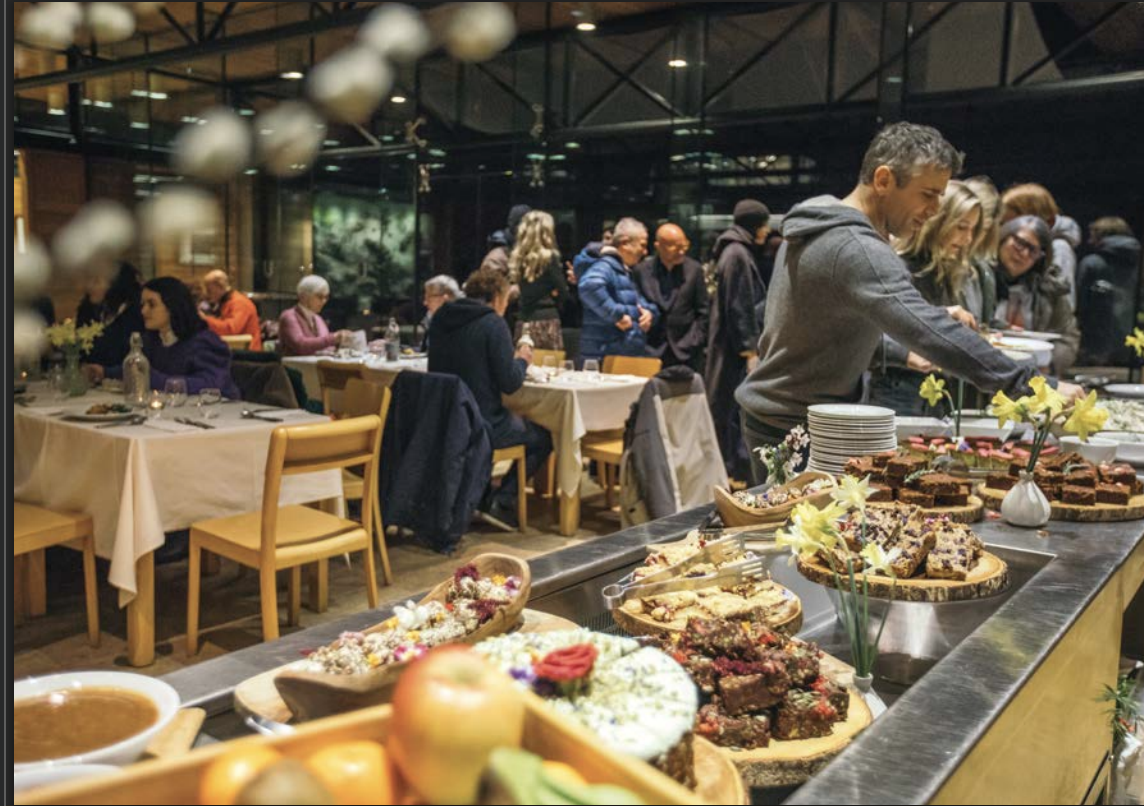
GCRD has structured retreat fees on a tiered basis to ensure financial sustainability while maintaining accessibility across sectors and geographies. Fees include accommodation, meals, comprehensive materials, and one year of GCRD membership with ongoing formation support.
"Financial need should not prevent qualified leaders from attending," Jacob said. Limited bursaries are available through foundation grants and cross-subsidisation from higher fee tiers.
Post-Retreat Formation Architecture
The retreat is not a one-off event but the beginning of an ongoing community. Participants will have access to monthly peer accountability circles, quarterly virtual gatherings with continued teaching, and an annual reunion retreat. GCRD will track impact at individual, organisational, and systems levels, measuring not only participant satisfaction but policy changes influenced, organisational culture shifts, and contributions to public discourse.
Partnering with Broughton Sanctuary
Broughton Sanctuary, established in 1097, combines centuries of contemplative tradition with contemporary facilities, including the Avalon Wellbeing Centre. The remote Yorkshire Dales location provides natural support for digital minimalism and attention reclamation, with 3,000 acres of woodland, moorland, and rivers supporting embodied contemplative practice.
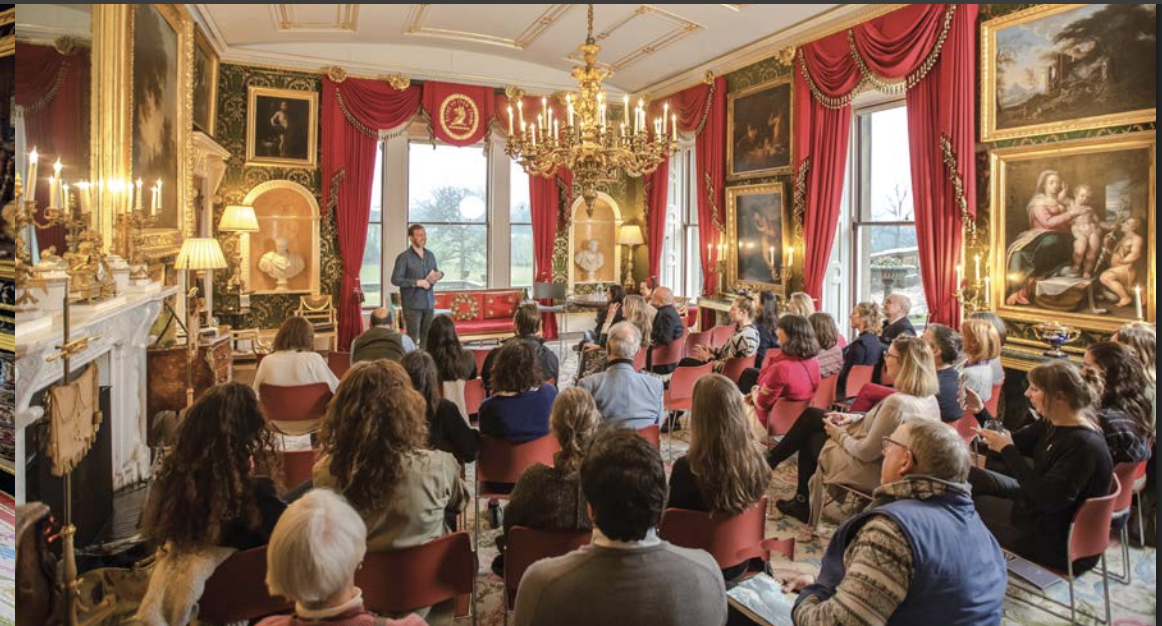
The estate's 16th-century Broughton Hall and surrounding properties offer participants a setting where, as the retreat materials note, "the venue itself becomes pedagogy—demonstrating that rehumanising democratic life requires protecting spaces, both physical and interior, from extraction, commodification, and acceleration."
Application Information
Interested participants can learn more and apply here.
About the Global Centre for Rehumanising Democracy
The Global Centre for Rehumanising Democracy is a UK-based think-act-teach tank focused on rebuilding democratic trust through contemplative leadership formation, trust intelligence and public discourse analytic systems, and strategic mediation. The organisation partners with institutions globally, including universities, international organisations, and civil society groups working on technology and democratic renewal.
