

From Korçë to the World: Albanian Students Advance the Democracy Discourse Index
The future of democracy may depend not only on what happens in parliaments, courts, or election campaigns, but also on the everyday quality of civic dialogue. With the responsible use of AI and rigorous human research, we can now begin to measure how citizens speak to one another and what that tells us about democratic health. And that is largely thanks to the collaboration of civic-minded universities.
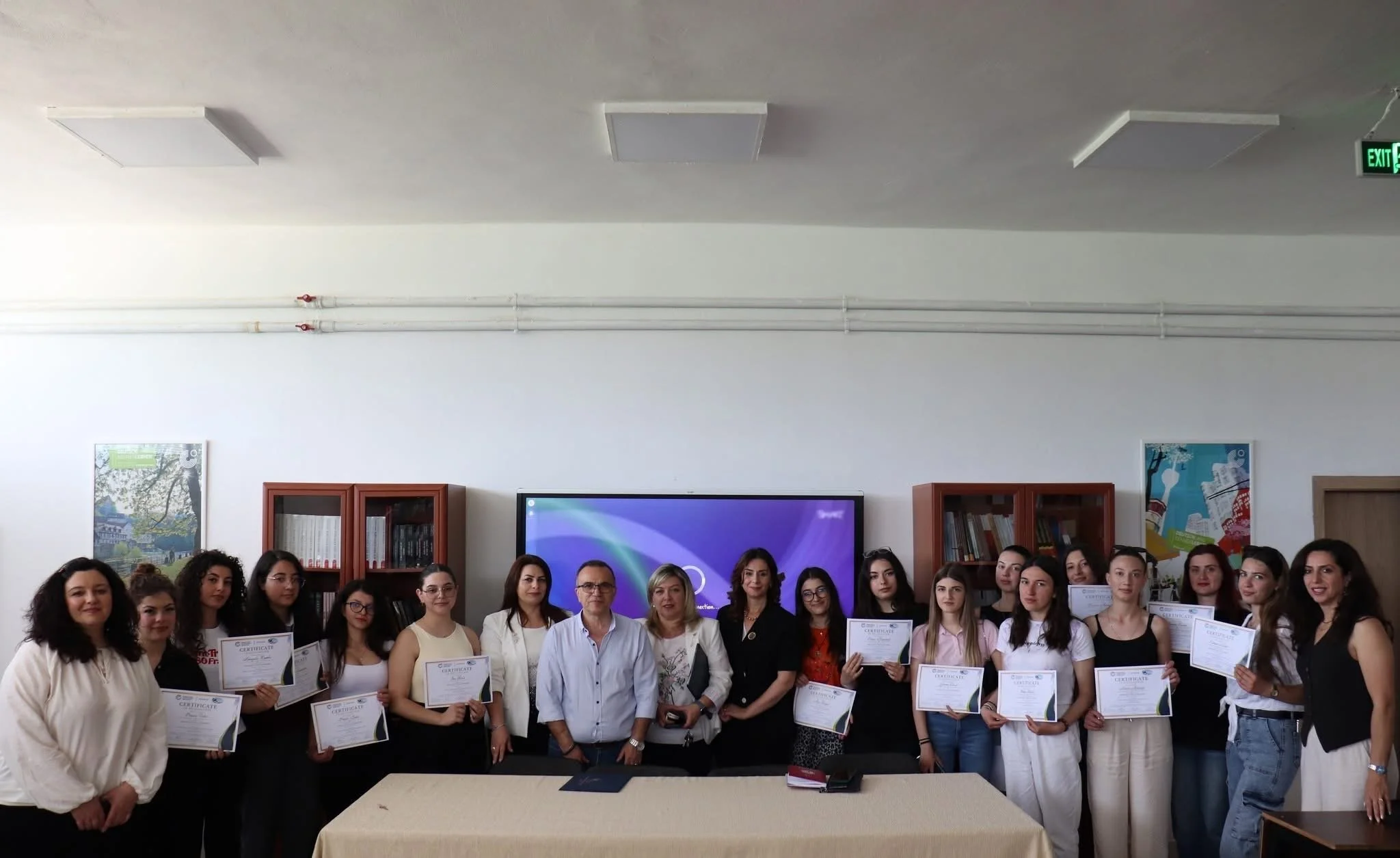
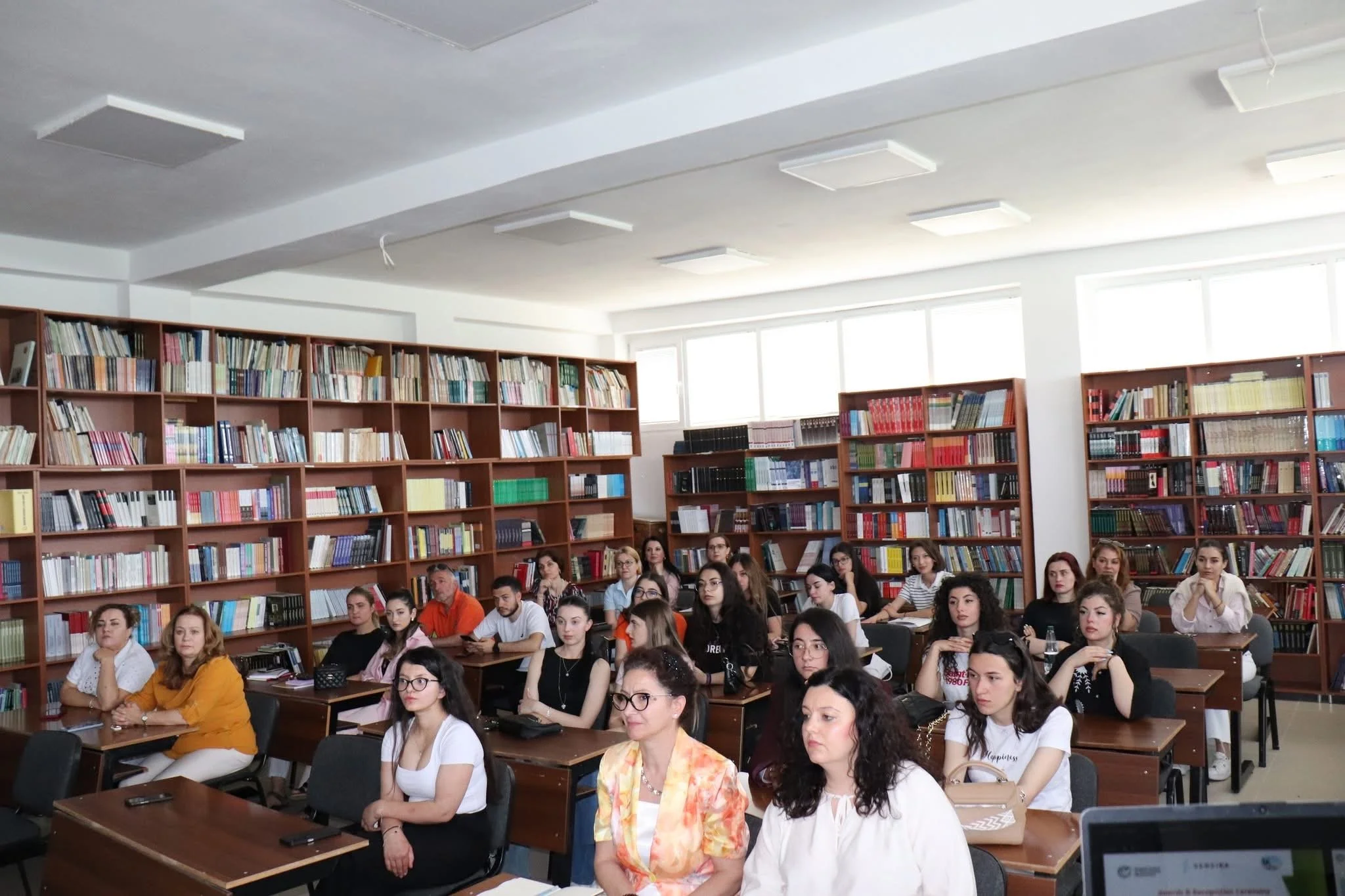
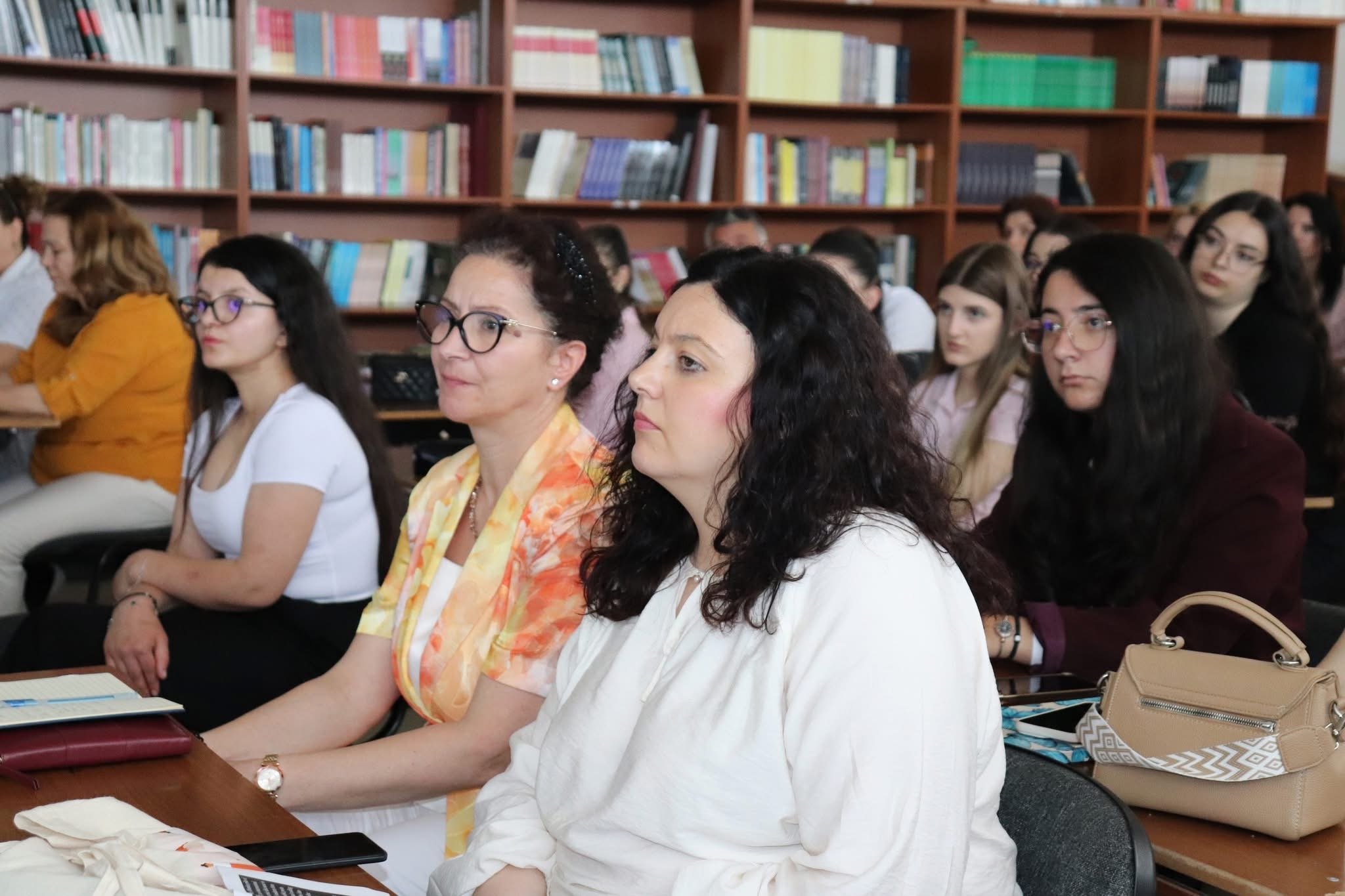
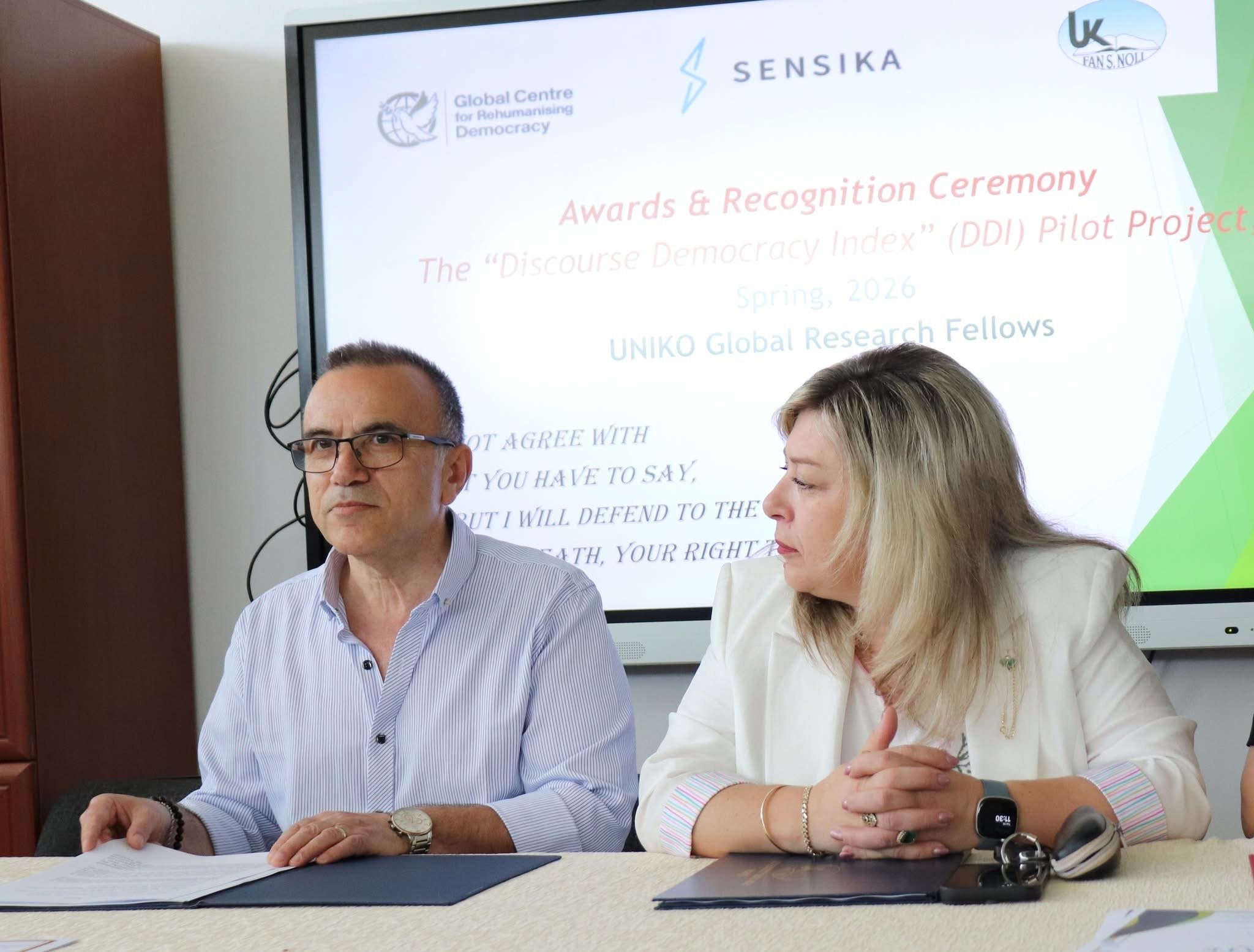
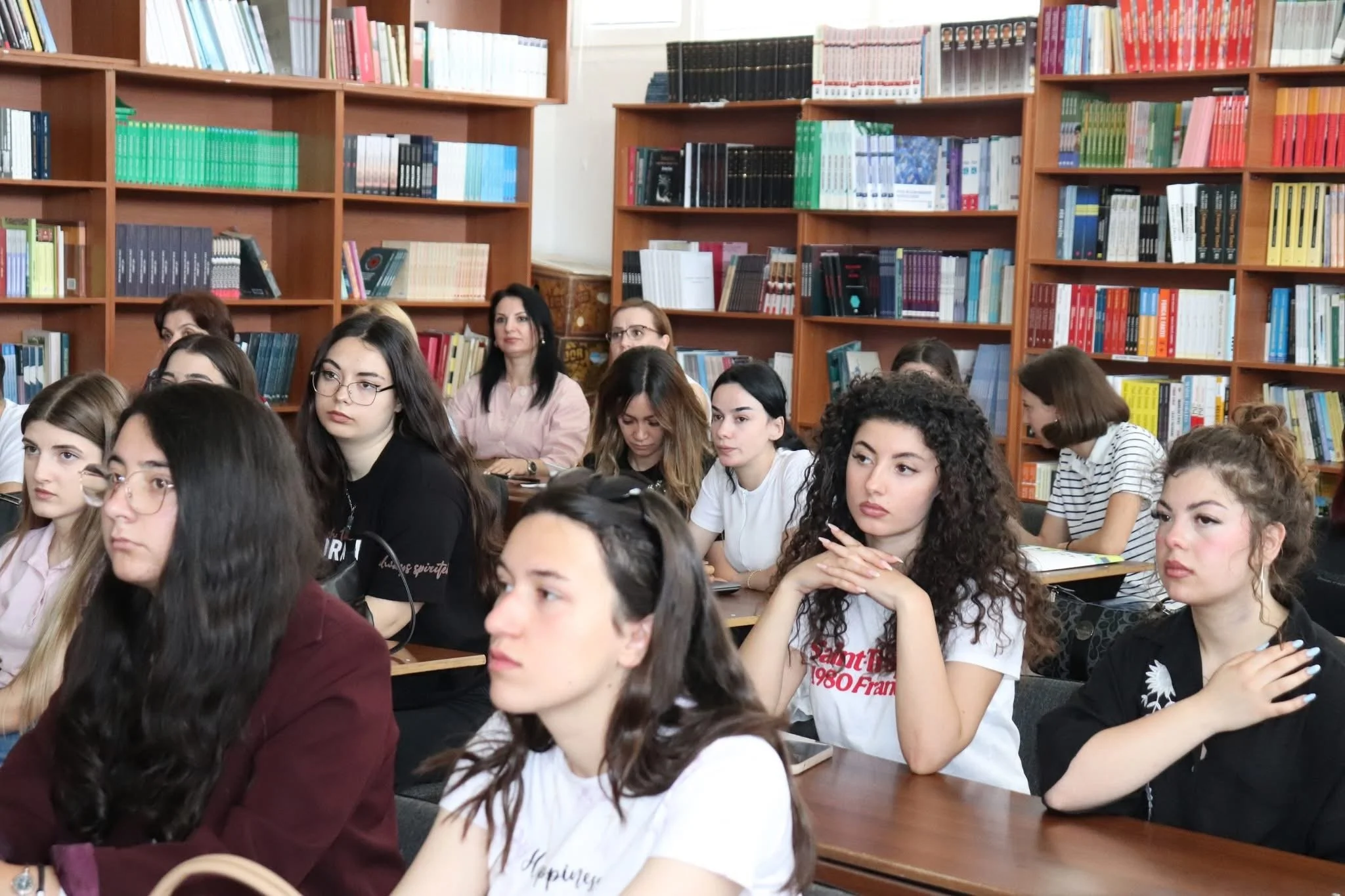
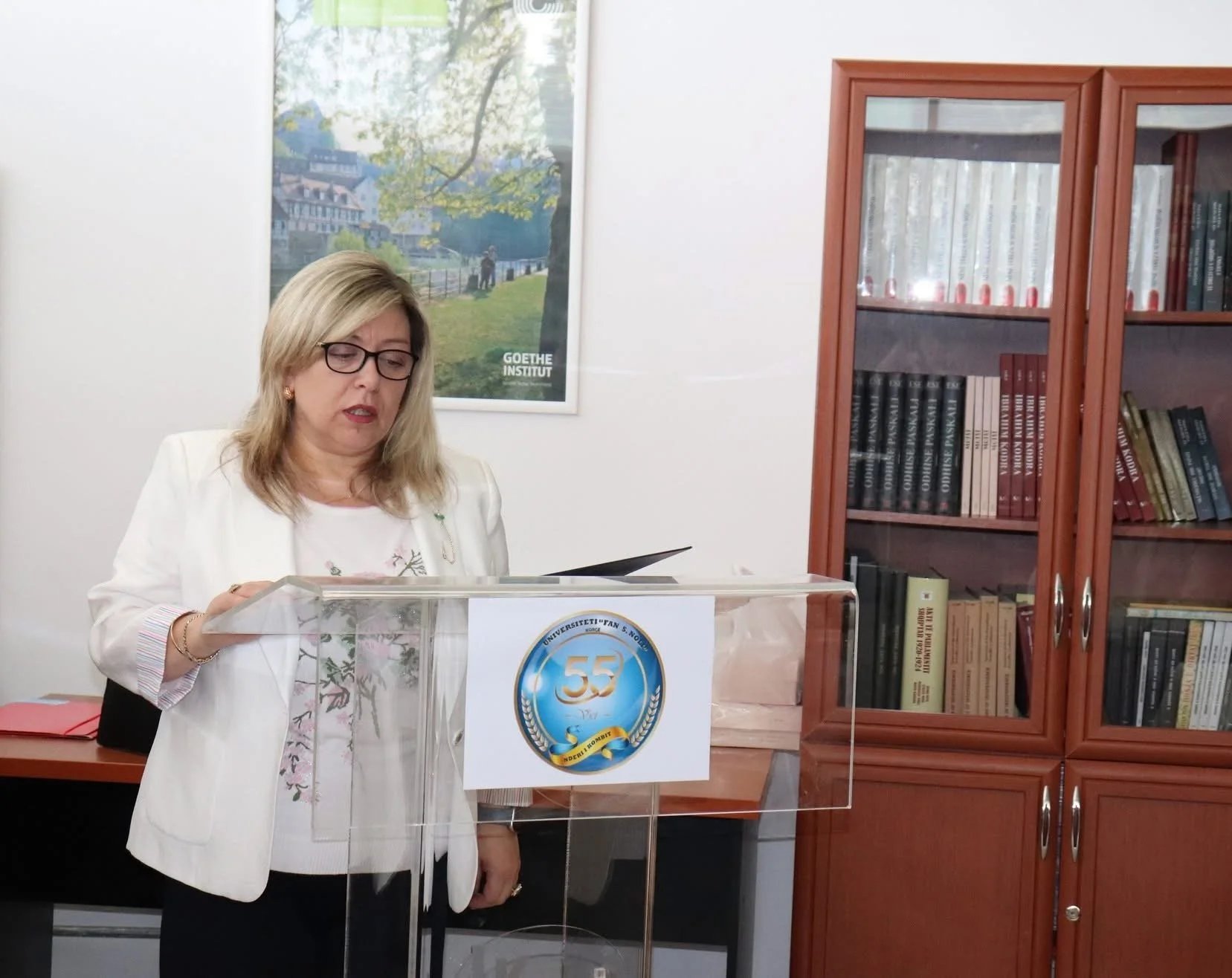
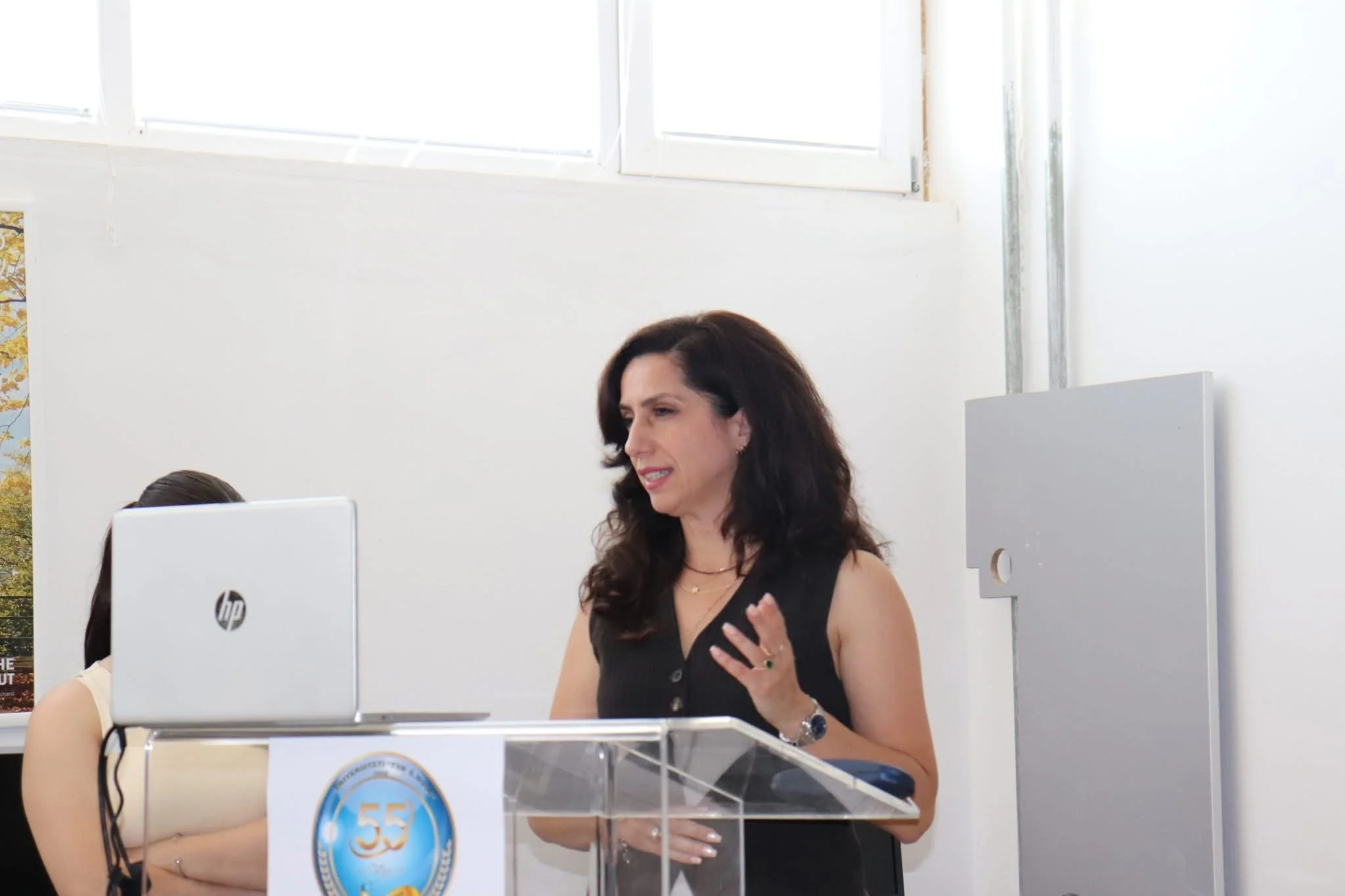
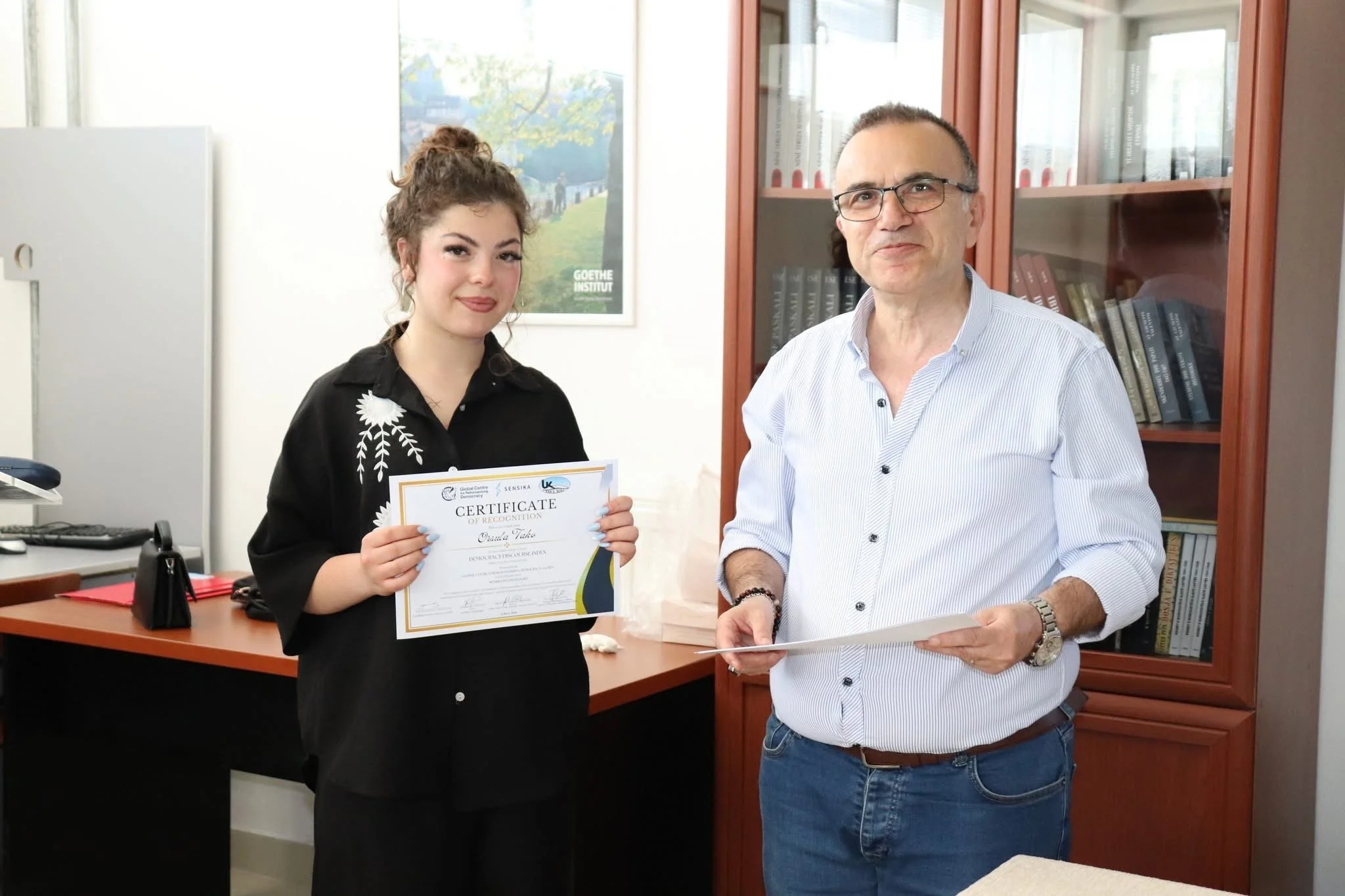
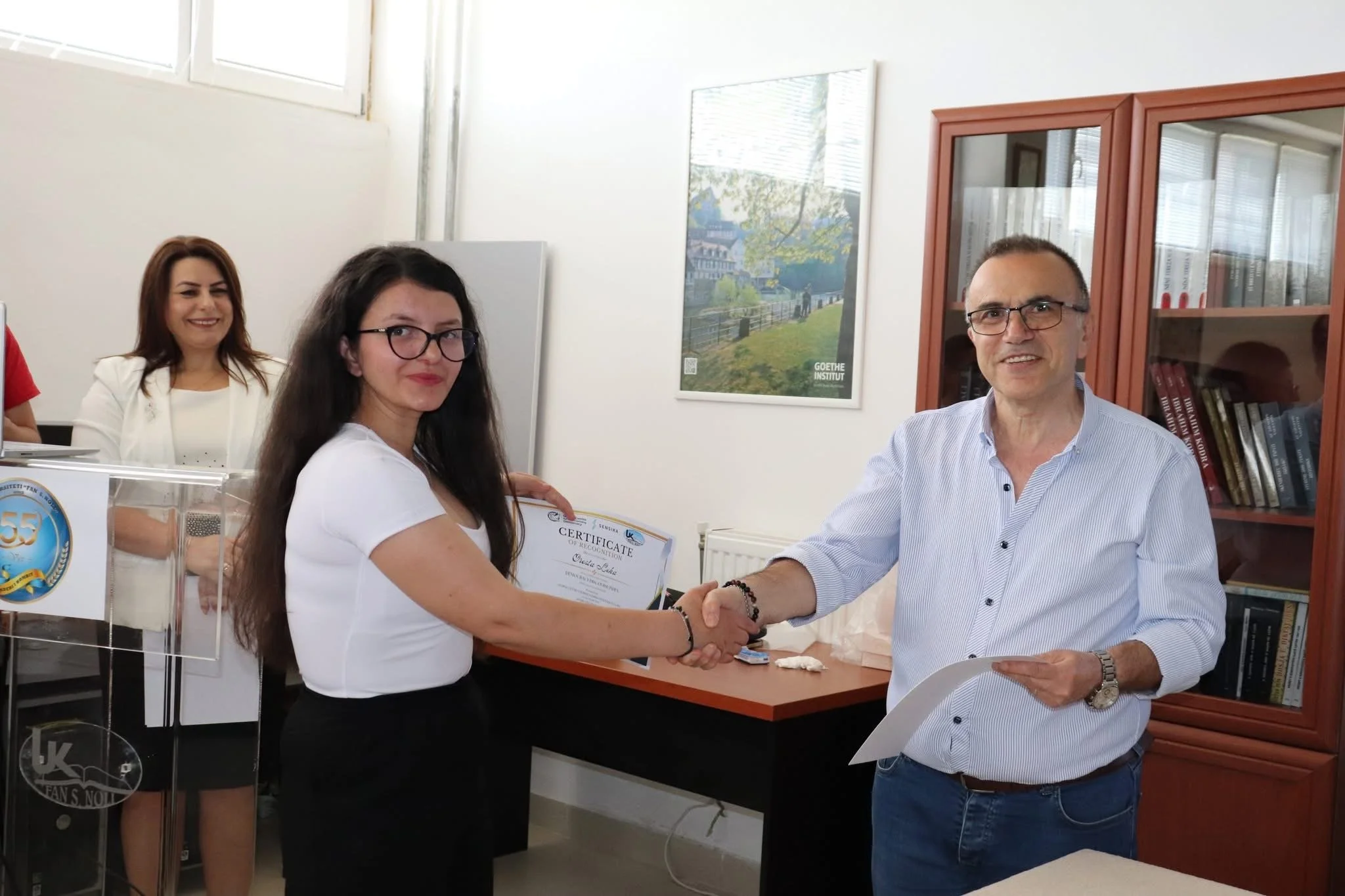
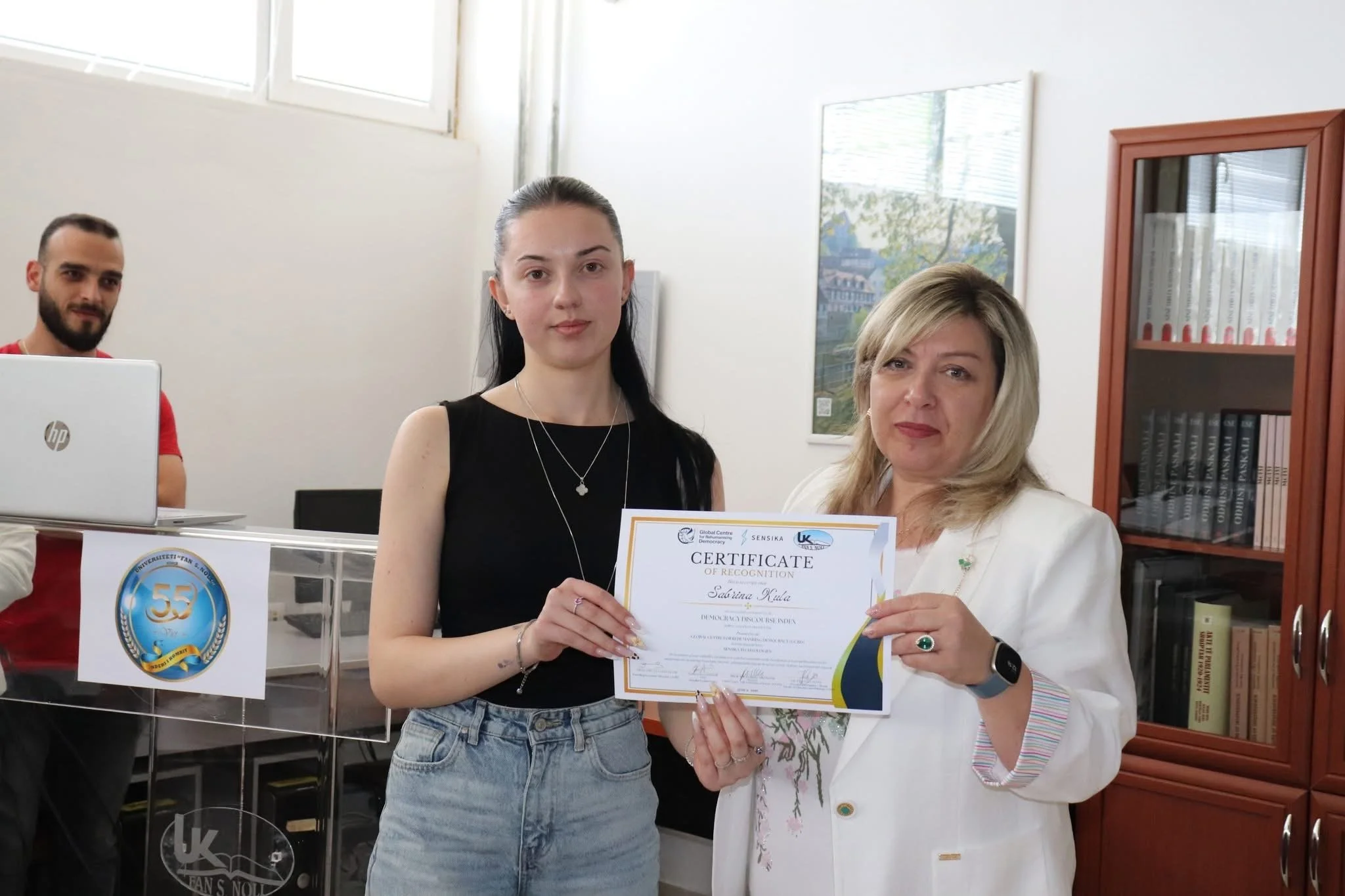
Korçë, Albania — June 3, 2026 — Yesterday, the Faculty of Education and Philology at “Fan S. Noli” University of Korçë (UNIKO) in Albania hosted a certificate ceremony honouring students who successfully completed Albania’s participation in the international pilot project of the Democracy Discourse Index (DDI), implemented between February and May 2026.
The Democracy Discourse Index is a pioneering global initiative developed by GCRD, in collaboration with Sensika Technologies. It was created to address a critical gap in how democracy is measured. Traditional democracy indices often focus on institutions, elections, laws, and elite perceptions. The DDI focuses on the quality of public conversation among citizens.
The DDI is the world’s first real-time monitor of democratic health through public discourse. It tracks how citizens actually experience democracy across seven pilot countries, using a 20-indicator framework across four dimensions of democratic discourse: empathy, civility, trust language, and democratic agency.
The DDI uses a human-validated AI model trained on systematically coded discourse data. Student annotators, working under faculty supervision, independently assess a methodically curated corpus of public posts using a theoretically grounded codebook. Each post is coded by three annotators, intercoder reliability is measured using Krippendorff’s alpha, and disagreements are resolved through structured adjudication.
This produces the ground-truth dataset used to fine-tune large language models for scaled analysis. In other words, AI gives the DDI speed, scale, and real-time monitoring capacity; universities provide the cultural interpretation, ethical judgement, and methodological rigour that make the analysis credible.
Albania’s participation places UNIKO within the DDI’s founding international university consortium, alongside partners from Bulgaria, North Macedonia, Greece, the United States of America, Pakistan, and Nigeria. Together, these universities are helping to build the first real-time global index of democratic discourse health, anchored in local universities and student research.
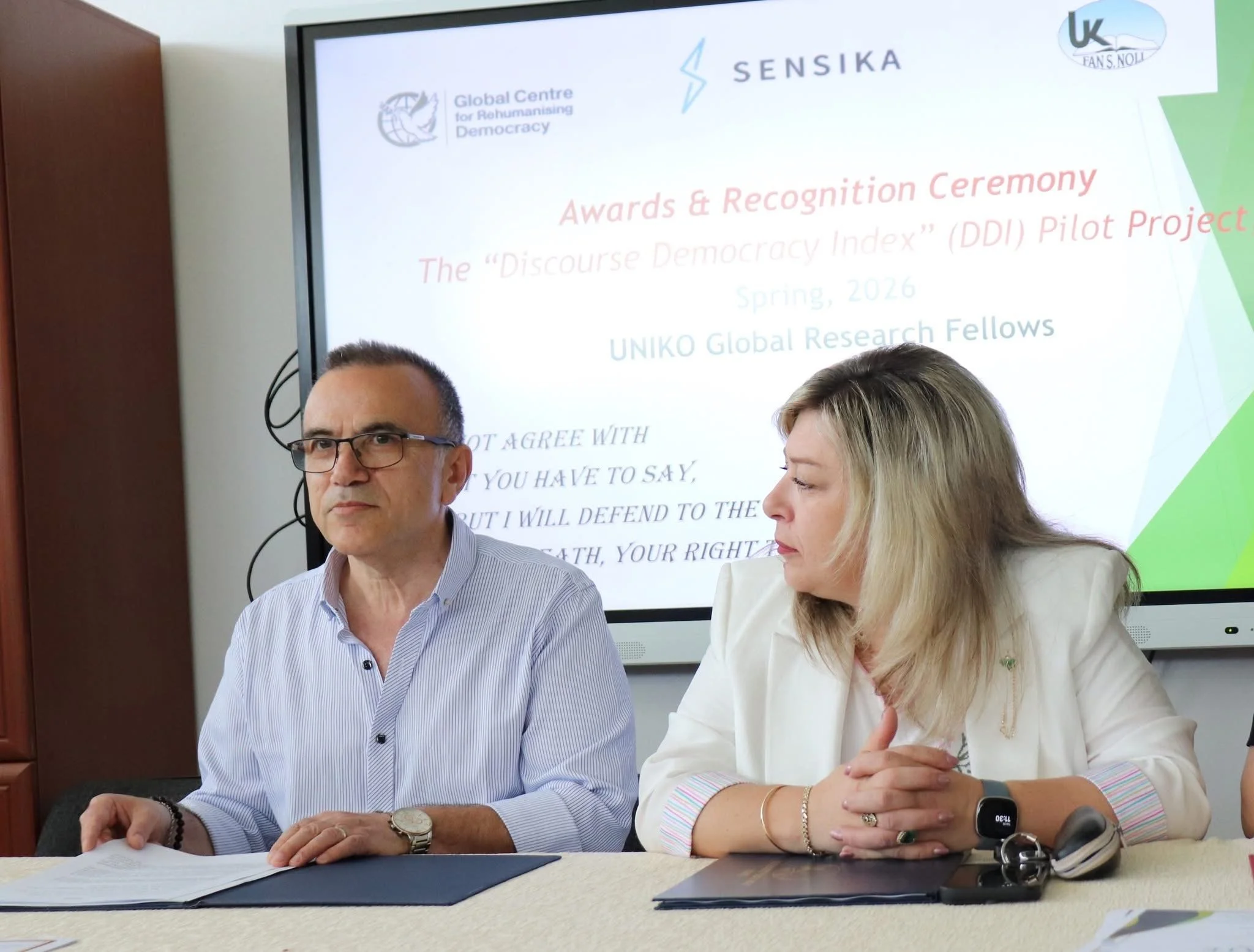
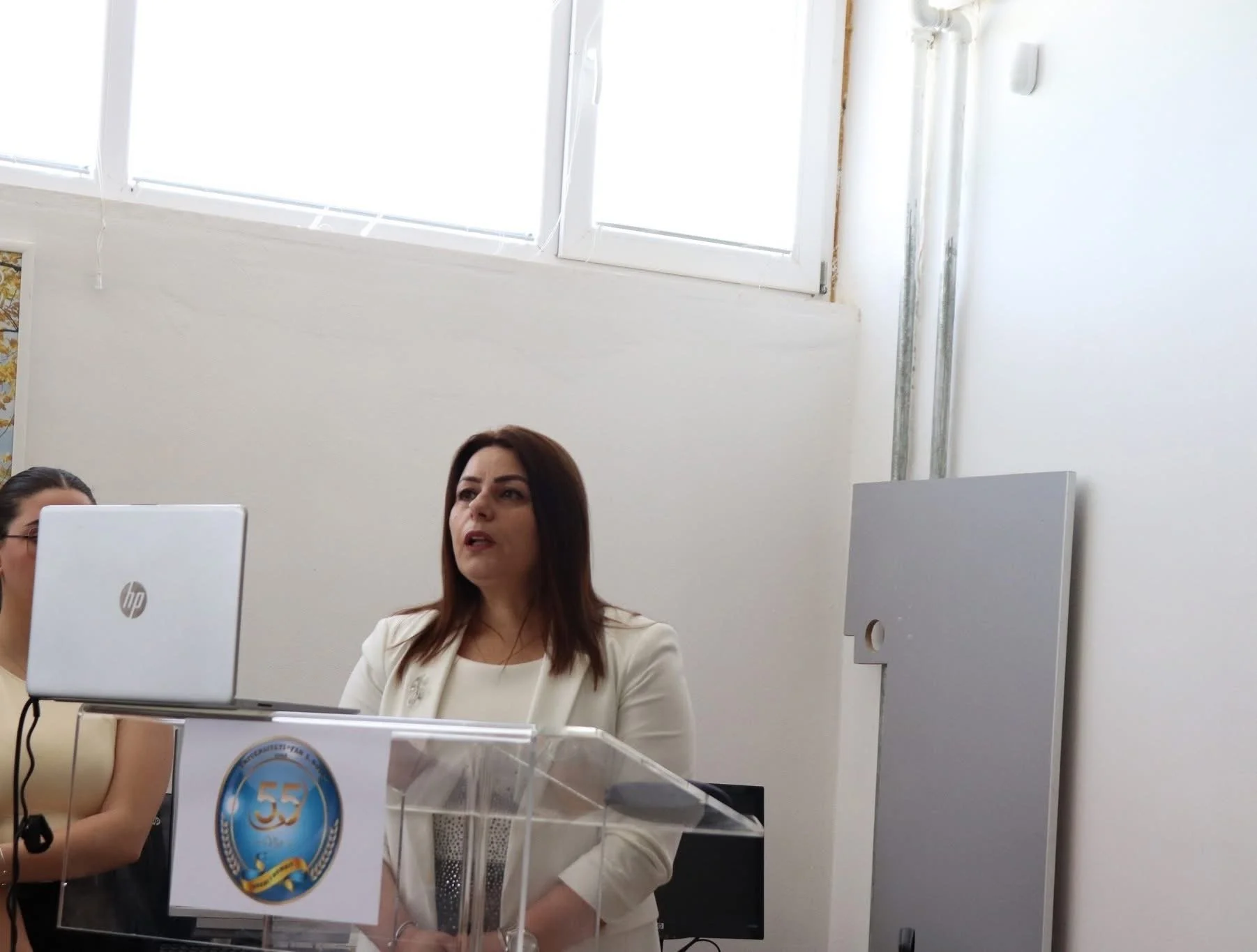
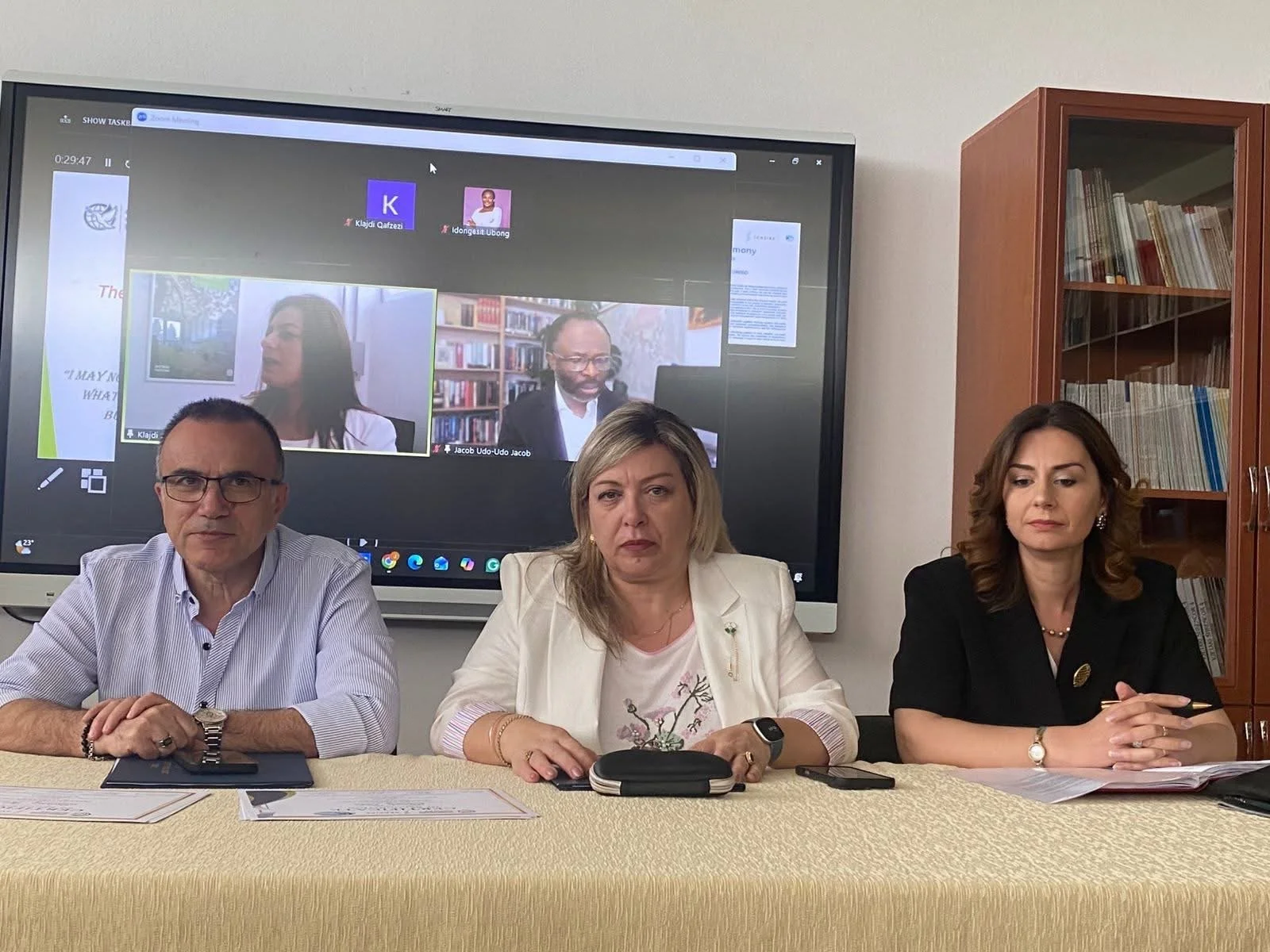
UNIKO Rector Prof. Dr. Lorenc Ekonomi (left) and Dean of the Faculty of Education and Philology, Prof. Dr. Jonela Spaho (right).
In his remarks, UNIKO Rector Prof. Dr. Lorenc Ekonomi commended the pilot project as “a great example of how students can contribute directly to contemporary scientific research.” He situated the project within UNIKO’s wider institutional transformation, noting:
“Over the past two years, our University has undergone a profound process of institutional transformation. From a university focused mainly on teaching, we are building the model of a modern European university, where teaching, scientific research and community service are harmoniously intertwined, in view of the development of the Korça region, European integration and national priorities. One of the priorities of this transformation is the digitalization and integration of artificial intelligence into academic and research processes. Equally important remains the active engagement of students in all dimensions of university life.”
Prof. Assoc. Dr. Jonela Spaho, Dean of the Faculty of Education and Philology, also congratulated the participating students, underscoring the centrality of student engagement to university education:
“As Faculties, we consider student engagement in projects as one of the main pillars of university education. Every project undertaken by our students is a testament to their creative potential, their intellectual abilities and their desire to be an active part of social developments.”
The ceremony was opened by the DDI Albania Principal Investigator, Dr. Juliana Çyfeku, who praised the students’ engagement and dedication throughout the research process. She emphasised the importance of young people’s involvement in initiatives that promote digital democracy, information integrity, and the fight against disinformation.
Reflecting on UNIKO’s contribution, GCRD Executive Director Dr. Jacob Udo-Udo Jacob said:
“What UNIKO’s students and faculty have accomplished is exactly why the Democracy Discourse Index was created. Democracy needs better diagnostics, but it also needs universities willing to train students as civic researchers and democratic analysts. Albania’s students have not only studied public discourse; they have produced a scientific record of their country’s democratic conversation. Our AI models are only as strong as the human judgment, cultural understanding, and scholarly rigour that train them, and UNIKO has made a remarkable contribution to that foundation. We are deeply grateful to UNIKO’s academic leadership for embracing this vision, particularly Rector Prof. Dr. Lorenc Ekonomi and Prof. Assoc. Dr. Jonela Spaho, Dean of the Faculty of Education and Philology.
“A very special thank you to Dr. Juliana Çyfeku, whose vision, leadership, and tireless commitment made this project possible at UNIKO. From inception to this moment of celebration, she has been the driving force behind Albania’s participation in the DDI pilot.
“We also thank Dr. Edlira Xega and MSc. Viola Dolani for their academic support, mentoring, and supervision throughout the research process.
“Congratulations to every student honoured: Amagda Kambo, Orsula Tako, Redina Skënderi, Glejana Malësija, Elena Llapanji, Irina Bicka, Oresta Leka, Adela Mustafa, Isuida Bushi, Ediona Nurçe, Ina Bala, Erika Lubonja, Joana Dudo, Sabrina Kula, and Megi Bregu.”
Visit the Albania pilot observatory at discourseobservatory.org/albania.
“A great example of how students can contribute directly to contemporary scientific research.”
